
The Ultimate Guide to Fresh Fruit and Vegetable Distribution Networks
The contemporary food supply architecture across the United Kingdom operates as a highly sophisticated, multi-tiered framework where logistical precision directly determines commercial survival. For national retail groups, major foodservice brokers, independent ethnic supermarkets, and high-volume catering networks, the operational challenge of securing top-tier agricultural commodities at stable prices remains an ongoing struggle. Within this highly competitive landscape, the structural mechanics behind fresh fruit and vegetable distribution serve as the primary engine driving business growth, ensuring product availability and preserving consumer trust. Selecting an experienced wholesale partner capable of managing complex logistics can shift procurement from an administrative bottleneck into a strategic competitive advantage.
Punjab Exotic Foods, operating from the strategic logistics hub of New Spitalfields Market, has spent decades refining the infrastructure required to distribute high-volume, premium agricultural goods across the United Kingdom. By combining global agricultural partnerships with a modern, temperature-controlled transit network, the enterprise consistently satisfies the strict requirements of modern commercial food operators. In this comprehensive industry analysis, we will examine the infrastructure backing wholesale produce distribution UK routes, look closely at cold-chain management, and show how a centralised distribution model protects business margins, fuels culinary innovation, and builds long-term supply chain resilience.
The Structural Infrastructure of Modern Fresh Fruit and Vegetable Distribution
Sourcing premium agricultural commodities and moving them to commercial hubs across the UK involves managing a highly time-sensitive logistics chain. Unlike non-perishable goods, fresh produce is structurally fragile and sensitive to environmental changes from the moment it is harvested. Halting natural degradation and preserving crispness, visual appeal, and maximum nutritional value requires a complex operational framework. This framework spans from field packing to specialised shipping, customs clearing, and rapid final-mile delivery.
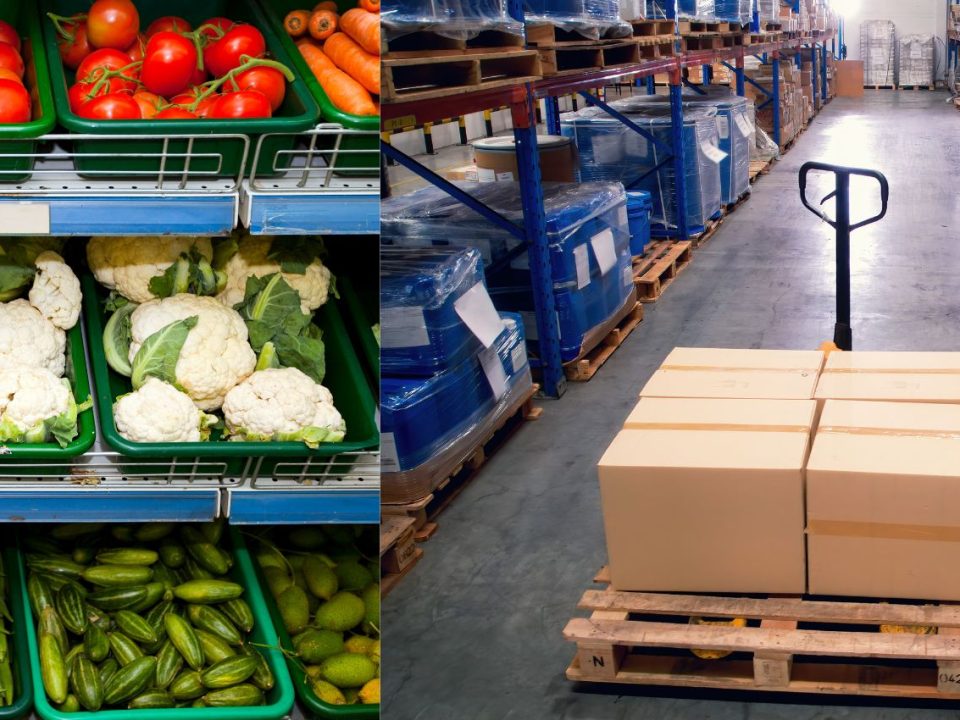
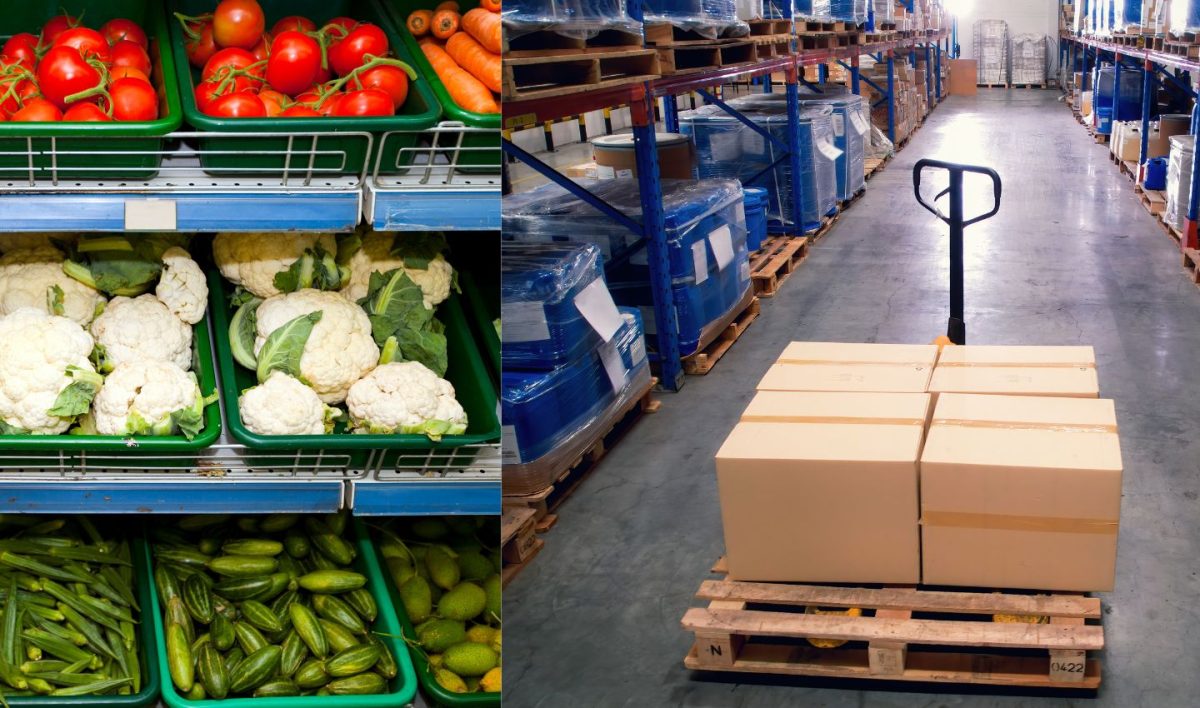
Efficient fresh fruit and vegetable distribution relies heavily on high-capacity hub-and-spoke logistics models. Central wholesale markets, such as New Spitalfields, function as primary collection zones where massive international and domestic shipments are consolidated, carefully graded, and repackaged into precise commercial orders. This structural centralisation allows distributors to leverage major highway networks, cutting down transit times and ensuring that fresh produce reaches regional distribution facilities, hospitality zones, and supermarket loading bays in prime condition.
Global Sourcing Pipelines and Supplier Validation
Maintaining a reliable commercial food inventory throughout the year requires a sourcing strategy that spans multiple continents. Because the British growing season is naturally constrained by climate and calendar windows, relying solely on domestic crops creates severe seasonal product shortages and high price volatility. To maintain inventory balance, premium distributors build deep, long-term relationships with agricultural cooperatives across Europe, Africa, Asia, and the Americas.
Top-tier fruit and vegetable suppliers’ UK operations follow strict supplier validation rules to maintain quality consistency across their global networks. Sourcing agents inspect international farms to verify compliance with strict hygiene, environmental management, and chemical restriction standards. This rigorous field-level quality control ensures that whether your business orders local seasonal greens or specialised tropical imports, every incoming pallet meets current UK food safety guidelines, protecting your brand from compliance risks.
Strategic Depot Management and High-Volume Consolidation
The internal setup of a modern wholesale distribution centre is specifically engineered to handle high stock volumes with minimal product handling. Advanced inventory tracking platforms log every incoming pallet, capturing critical batch information including farm origin, arrival temperatures, and strict quality grades. This granular operational visibility allows distribution managers to apply precise First-In, First-Out (FIFO) stock rotation models, keeping warehousing times minimal and maximising the post-delivery shelf life available to commercial clients.
Consolidating high-volume orders within a singular, modern depot yields significant logistical efficiencies. Instead of receiving multiple scattered deliveries from minor specialised vendors, commercial buyers can merge their entire produce list—spanning basic root crops, delicate salad elements, and rare exotic fruits—into a single daily shipment. This drops administrative check-in times at your loading bays, slashes invoice handling costs, and lowers the carbon footprint of your overall procurement pipeline.
Cold-Chain Integrity and Thermal Logistics Optimisation
The primary hazard facing fresh commodities during long-distance transit is thermal shock. Exposure to unstable ambient temperatures triggers rapid cell breakdown in plants, speeding up moisture loss, wilting, and flavour loss. Preserving fresh quality from farm fields to restaurant kitchens requires an unbroken, temperature-regulated cold chain. This demands specialised infrastructure, continuous climate tracking, and deep knowledge of plant biology.
A professional fresh fruit and vegetable distribution network utilises advanced multi-temperature refrigeration technologies to manage transport environments precisely. Investing in high-performance cooling equipment and insulated vehicle fleets enables logistics teams to protect shipments against outdoor weather changes. This ensures that every delivery arrives with its structural integrity and freshness fully intact, reducing spoilage rates at your commercial venues.
Micro-Climate Segmentation for Varied Commodities
One of the most complex challenges in managing fresh food distribution services UK routes is that different produce groups require specific environmental conditions to stay fresh. For example, leafy brassicas, berries, and temperate root vegetables require transit temperatures maintained just above freezing, between 0 and 2 degrees Celsius, coupled with high humidity to prevent moisture loss. Conversely, tropical exotics, citrus varieties, and nightshade crops like peppers and tomatoes suffer chilling injuries if kept in those same cold conditions; they require milder transit environments, typically between 10 and 13 degrees Celsius.
To overcome this, premier wholesale produce distribution UK fleets use multi-compartment delivery vehicles. These trucks feature insulated internal bulkheads and independent cooling systems, allowing transport teams to maintain distinct climate zones inside a single trailer. This advanced setup allows a varied delivery containing everything from delicate herbs to hardy root produce to travel under its own ideal conditions, ensuring all items arrive ready for immediate commercial use or retail display.
Real-Time Environmental Tracking and Telematics Integration
Modern cold-chain management leaves nothing to chance or guesswork. Distribution fleets use advanced telematics systems and internal sensors to track cargo bay conditions continuously during transit. These smart sensors log temperature and humidity data in real time, sending immediate alerts to central logistics operators if any climate variations occur.
This automated quality oversight gives commercial buyers complete confidence in their supply line integrity. If a refrigeration issue occurs on the road, dispatchers can intervene immediately to fix the problem or arrange a replacement shipment before the truck reaches your facility. This thorough approach ensures your business receives consistent, fresh ingredients every single day, keeping your product standards high.
Financial Efficiencies of High-Volume Wholesale Procurement
In the commercial food sector, where profit margins are traditionally slim, financial performance depends heavily on smart sourcing models. A common procurement mistake among smaller business operators is relying on local cash-and-carry stores or fragmented regional suppliers. While these options might seem convenient for small purchases, they lack the cost advantages, inventory depth, and pricing stability provided by large-scale wholesale produce distribution UK networks.
Transitioning your supply requirements to a high-volume wholesale partner allows your business to tap into massive global buying networks. Sourcing agricultural commodities by the container or pallet load enables distributors like Punjab Exotic Foods to negotiate preferential bulk pricing from international growers. These substantial wholesale savings are directly shared down the supply chain, lowering your food cost percentages and boosting your bottom-line profitability.
Sustaining Price Stability Amid Market Volatility
Agricultural markets face frequent pricing shocks caused by variable weather patterns, changing import regulations, and fuel price shifts. Retail food groups and high-volume catering networks operating on fixed-price customer menus cannot constantly alter their pricing without risking consumer blowback. Forging a partnership with established fruit and vegetable suppliers UK firms provides a reliable shield against these sudden market spikes.
Large-scale distribution operators absorb short-term market shocks by managing deep inventories and using forward-purchasing agreements with growers. This allows them to offer stable, structured pricing contracts on core commercial items like onions, potatoes, salad basics, and high-demand exotics. This financial predictability empowers your management team to project quarterly food costs and protect net margins with exceptional accuracy.
Maximise Sourcing Efficiency and Secure Stable Wholesale Pricing
Stop managing multiple suppliers and dealing with unreliable deliveries. Partner with Punjab Exotic Foods to access a premier, high-capacity fresh fruit and vegetable distribution network built for modern commercial scale.
Driving Down Food Waste via High-Speed Logistics Channels
Food spoilage is a direct drain on profitability across both the hospitality and retail food sectors. Spoilage often happens when ingredients spend too much time moving through slow, outdated distribution channels, arriving at your venue near the end of their usable lifecycle. High-capacity distribution networks resolve this issue by streamlining every step of the logistics journey.
Because major wholesale hubs process massive inventory volumes daily, stock turnover is exceptionally fast. Commodities are received, quality-inspected, sorted, and dispatched onto regional transport routes within minimal time windows. This rapid throughput ensures that when farm-fresh fruit and vegetable delivery UK shipments reach your loading bays, the produce possesses its maximum possible commercial shelf life, giving your team more time to merchandise or prep the items, significantly lowering your waste costs.
Fueling Retail Growth and Culinary Innovation
The UK food market has evolved significantly over recent years. Today’s consumers are highly sophisticated, adventurous, and continually seeking diverse, premium, and authentic culinary options. To capture market share and retain customer loyalty, modern supermarkets, independent grocers, and commercial kitchens must expand their selections beyond basic regional staples.
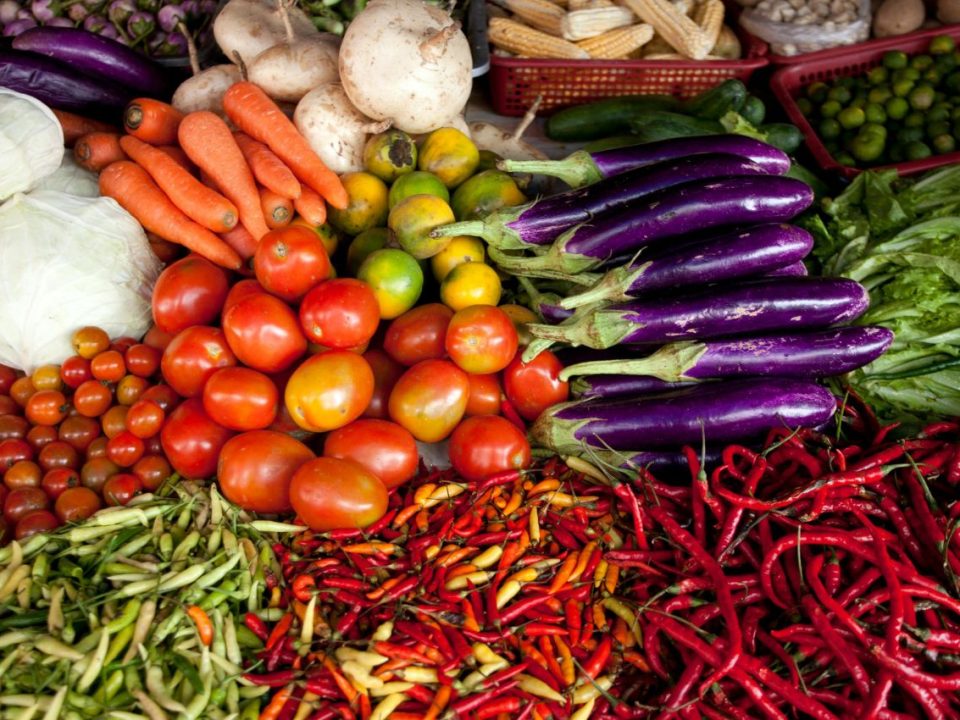
This shifting demand makes your choice of fresh fruit and vegetable distribution channels a key driver of retail growth and menu design. A wholesale distributor that balances large-scale sourcing of staple crops with expert importing of exotic, specialist varieties gives its clients an immediate market advantage. It enables your brand to position itself as a premier destination for variety and premium quality, drawing in high-value shoppers who are willing to pay more for unique ingredients.
Catering to a Dynamic, Diverse Consumer Base
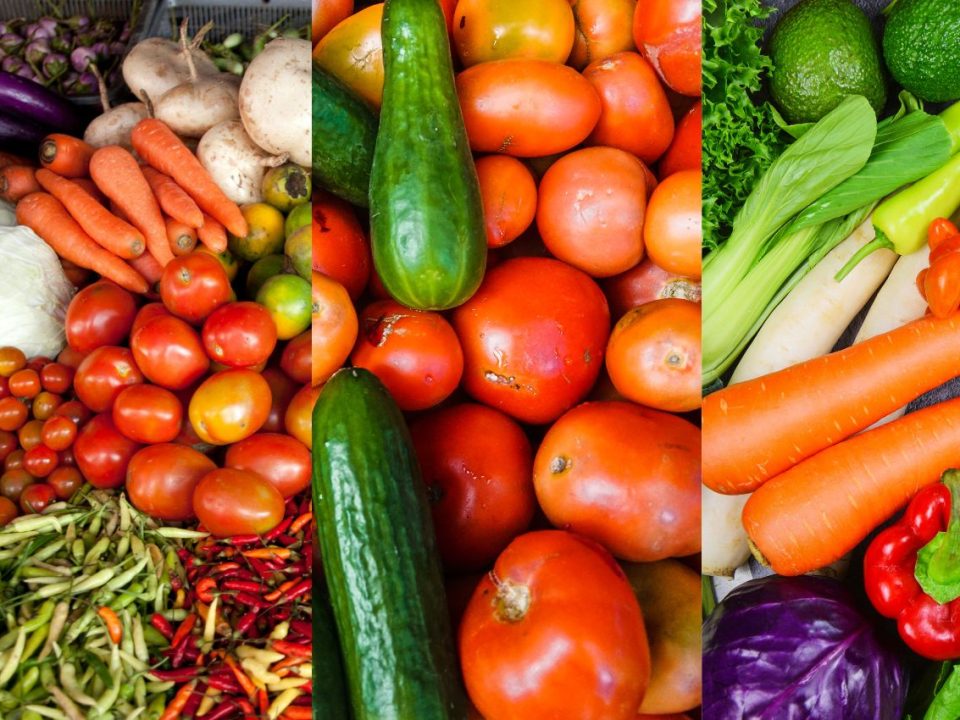
Replicating authentic international cuisines or stocking specialised grocery shelves requires access to genuine, correctly grown agricultural products. Substituting unique world produce with generic alternatives dilutes flavor profiles and damages brand credibility. Sourcing distinct items like premium mango varieties, fresh ginger root, okra, garlic, and specialised chillies requires a distributor with a robust, globally connected import network.
Standardising Visual Quality for Maximum Merchandising Impact
In grocery retail and professional food presentation, visual quality is vital. Consumers pick fruits and vegetables based on visual appeal, shape consistency, and freshness indicators. Displaying irregular, bruised, or non-standard items slows down sales and increases shelf spoilage. Professional distribution networks prevent this by implementing strict quality grading frameworks at their central packing plants.
Produce is systematically sorted based on precise size brackets, color maturity, and skin clarity before being packed into wholesale boxes. This thorough standardisation ensures that every case delivered to your store or kitchen is uniform and ready for immediate display or menu preparation. This high level of visual consistency simplifies your team’s merchandising work, creates eye-catching store displays, and encourages immediate customer purchases.
Securing Compliance, Flawless Quality Control, and Traceability
Modern commercial food sourcing demands total transparency and strict adherence to food safety legislation. UK regulatory groups, led by the Food Standards Agency (FSA), enforce comprehensive rules covering chemical trace limits, allergen controls, and origin documentation throughout the supply network. A single quality control failure or compliance issue can harm a brand’s reputation overnight, leading to severe financial losses and potential legal problems.
By connecting your commercial sourcing with an accredited leader in fresh food distribution services UK pipelines, your business gets a complete risk-management framework. Reputable wholesale operations run thorough quality control loops, tracking commodities from initial harvest through warehouse processing and final transit. This strict oversight ensures that every shipment reaching your loading dock is safe, clean, and fully compliant with all current UK food laws.
Digital Batch Tracking and Origin Visibility
Traceability is no longer just a regulatory checkbox; it is a core expectation for modern consumers. Diners and grocery shoppers want to know the journey behind their food: where it was grown, how it was handled, and whether it was ethically produced. To support this transparency, centralised distributors use digital batch-tracking platforms that record every step of the supply chain.
Future-Proofing Your Agricultural Supply Architecture
The global food supply network faces ongoing challenges, including changing weather patterns affecting crop yields, shifting international customs laws, and rising fuel and shipping costs. Food enterprises that rely on ad-hoc, short-term sourcing methods will find themselves highly vulnerable to sudden inventory shortages and unexpected cost hikes in the future.
Punjab Exotic Foods stands ready to act as your primary logistics and procurement ally. By combining decades of specialised industry knowledge, direct global grower partnerships, a modern temperature-regulated distribution base at New Spitalfields Market, and a highly responsive logistics fleet, we offer the ultimate foundation for your ongoing commercial success. Let our team manage the complex logistics of global food distribution so that your management teams can focus entirely on what they do best: delivering exceptional food experiences to your valued customers.
Frequently Asked Questions Regarding Agricultural Distribution
What specific geographic zones are covered by your fresh fruit and vegetable distribution network?
Our logistical infrastructure provides comprehensive wholesale delivery coverage across the vast majority of the United Kingdom. Operating from our central stands at New Spitalfields Market in London, we run a modern fleet of temperature-controlled vehicles that deliver daily to businesses across England, Wales, and key commercial hubs in Scotland. Our distribution paths are fully optimised to ensure that whether you manage an urban supermarket chain or a regional hospitality venue, your orders arrive on time and in peak condition.
How do fresh food distribution services UK providers preserve produce quality during transit?
We preserve quality by enforcing a strict, completely uninterrupted cold chain workflow from warehouse reception to final-mile delivery. Our transport fleet features advanced multi-temperature refrigeration systems that allow logistics teams to maintain independent micro-climates within a single vehicle. By matching climate conditions to the specific biological needs of each product group, we stop rapid degradation and moisture loss, ensuring your produce arrives with maximum kitchen and retail shelf life.
What parameters differentiate professional fruit and vegetable suppliers UK firms from retail cash-and-carries?
Professional commercial distributors offer major structural benefits, including direct global grower sourcing, institutional volume pricing leverage, strict quality sorting, and direct-to-venue delivery inside temperature-controlled trucks. Unlike retail cash-and-carry stores where stock is often kept in variable ambient environments and requires your own staff labor to collect, our wholesale system saves your team valuable time, ensures consistent product grading, and provides stable, predictable pricing models.
What is the operational process for setting up a new commercial wholesale account?
Onboarding with us is a simple, efficient process managed by our dedicated client services team. New trade buyers can start the onboarding journey by filling out our wholesale inquiry form on our official website or by calling our distribution desk directly. A dedicated account manager will be assigned to review your specific volume needs, product lines, and preferred delivery schedules, subsequently configuring a custom pricing tier and delivery route plan to ensure a seamless integration into your daily setup. You can view our latest updates on Instagram or call us at +44 7364 219332. Also, check out why we are the best choice for your business.