

Exploring Culinary Horizons: A Guide to the Best Exotic Vegetables UK Kitchens Can Source
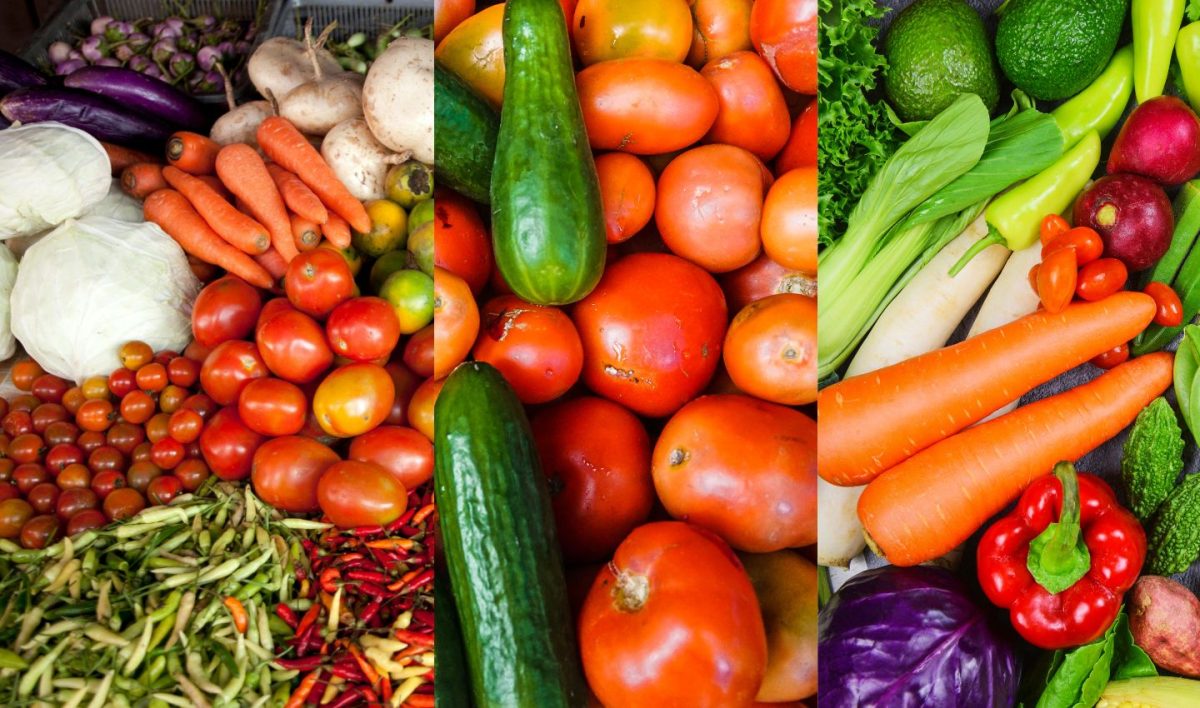
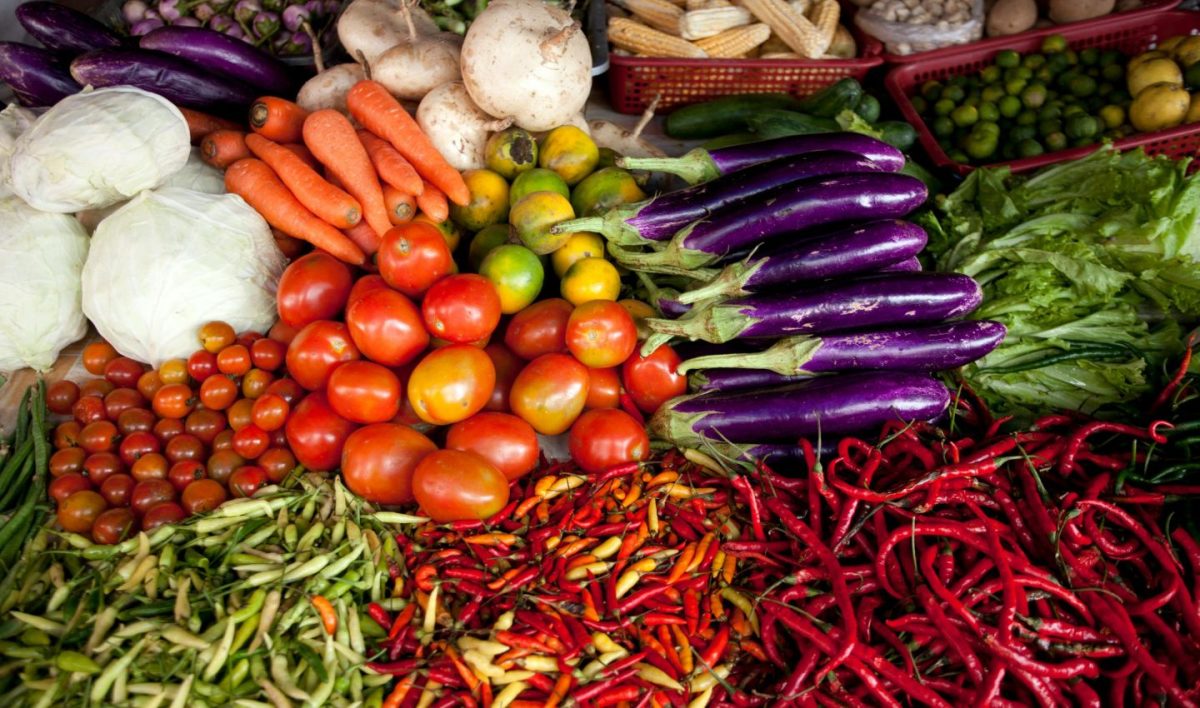
The culinary landscape across the United Kingdom has undergone a remarkable transformation over recent decades. British kitchens are no longer confined to traditional root vegetables and leafy greens. Today, home cooks, fine-dining chefs, and independent restaurateurs alike are eagerly embracing a rich tapestry of global flavors. From the vibrant street food markets of London to upscale dining establishments in Manchester and Edinburgh, the demand for unique, high-quality produce has skyrocketed. Sourcing these exceptional ingredients has become an exciting pursuit for anyone looking to push the boundaries of home cooking or commercial catering.
At the heart of this gastronomic shift is an appreciation for diversity, heritage, and bold flavor profiles. Incorporating rare and tropical ingredients allows you to recreate authentic international dishes or invent entirely new fusion creations. However, finding reliable sources for these specialty items can sometimes feel daunting. Whether you are a passionate home cook seeking inspiration or a culinary professional requiring bulk ingredients, understanding the market landscape is essential. Navigating the world of global produce opens up endless possibilities for culinary creativity, transforming ordinary weeknight meals into extraordinary dining experiences. To understand more about our mission and heritage, you can read more about us.
The Rise of Global Produce in British Cuisine
British cuisine has always been wonderfully dynamic, heavily influenced by historical trade routes and multicultural communities. In recent years, this evolution has accelerated rapidly, driven by a growing curiosity about international gastronomy. Travel, cooking shows, and food blogs have exposed British food enthusiasts to an array of ingredients that were once nearly impossible to find outside of specialist import shops. As a result, supermarkets and local greengrocers have had to adapt, expanding their inventories to include produce from Asia, Africa, the Caribbean, and Central America.
This cultural melting pot has redefined what it means to cook with local flair while embracing global influences. Consumers are increasingly seeking out ingredients that offer not only exceptional taste but also unique textures and visual appeal. From the crunch of bitter melon to the velvety richness of taro root, these foods bring stories, traditions, and health benefits straight to the dinner table. Embracing this trend means stepping out of your comfort zone and discovering how diverse climates yield ingredients that can completely revolutionise your everyday cooking routine.
For culinary enthusiasts looking to elevate their cooking with authentic, farm-fresh ingredients, exploring options from specialized providers like punjab exotic foods can make all the difference in achieving genuine, vibrant flavours. If you want to explore our comprehensive range of services, we offer tailored distribution solutions for all culinary needs.
If you are planning to expand your business menu or need immediate guidance, you can easily connect with our team on WhatsApp or connect with our professional network on LinkedIn.
Top Exotic Vegetables to Transform Your Cooking
When it comes to expanding your culinary repertoire, knowing which ingredients to buy and how to use them is the first step. The market offers an incredible array of produce that can bring new life to your favorite recipes. Below, we explore some of the most sought-after varieties available in the country today.
Discover why clients prefer our supply chain excellence and browse our extensive catalog of fresh daily supplies. For direct communication regarding orders, visit our contact page. You can also view our latest visual updates on Instagram.
Root and Tuber Varieties
Root vegetables form the backbone of many global cuisines, offering deep earthy flavors and versatile textures that lend themselves to boiling, roasting, and frying.
Taro Root (Arbi)
Taro is a starchy root vegetable with a brown, fibrous skin and a white flesh flecked with purple. When cooked, it develops a texture similar to a potato but with a distinct, pleasantly nutty flavor. It is exceptionally versatile and can be boiled, baked, mashed, or fried into crispy chips. In many South Asian and African dishes, taro is simmered in rich, spiced curries where it acts as a natural thickener.
Cassava (Yuca)
Cassava is a long, cylindrical root with a tough brown skin and white, starchy flesh. Known for its dense texture, it is a staple carbohydrate in tropical regions around the world. In the kitchen, cassava can be boiled and served with a zesty garlic mojo sauce, or sliced thinly and deep-fried to create robust, crunchy crisps that rival traditional potato chips. Always ensure cassava is properly peeled and cooked before consumption, as it must not be eaten raw.
Yam Varieties
Unlike the sweet potatoes frequently labeled as yams in North America, true yams are large, starchy tubers with a rough, bark-like skin and white, pink, or yellow flesh. They have a neutral flavor profile that absorbs seasonings brilliantly. Yams can be boiled, roasted, or pounded into a smooth, dough-like consistency that accompanies rich stews and sauces in West African culinary traditions.
Leafy Greens and Gourds
Beyond roots, the world of tropical greens and gourds offers refreshing textures and vibrant colors that brighten up any plate.
Bitter Melon (Karela)
As the name suggests, bitter melon possesses a potent, distinct bitterness that is highly prized in various Asian and African cuisines. It features a bumpy, cucumber-like exterior and a crisp texture. While its bitterness can be intense, it can be mellowed by salting and rinsing the slices before cooking. Bitter melon shines when stuffed with spiced minced meat, sliced into stir-fries with onions and tomatoes, or juiced with a hint of lemon and honey for a refreshing health tonic.
Bottle Gourd (Lauki)
Bottle gourd is a mild, cooling vegetable with a pale green skin and spongy white flesh. Because it consists largely of water, it readily absorbs the flavors of whatever spices it is cooked with. In South Asian households, it is frequently used to make light, comforting dals, wholesome curries, or even sweet desserts like halwa. Its subtle taste and tender texture make it a soothing addition to easily digestible meals.
Chayote Squash (Mirliton)
Chayote is a pear-shaped gourd with a pale green, edible skin and a crisp, mildly sweet flesh that tastes like a cross between a cucumber and a potato. It can be eaten raw in slaws and salads for a refreshing crunch, or cooked by boiling, baking, or stuffing. Chayote holds its shape well when cooked, making it an excellent addition to hearty soups and stews.
Exotic Alliums and Pods
Adding depth and aromatic complexity to dishes often relies on specialised alliums and pods that bring unique structural qualities to the pan.
Okra (Bhindi)
Okra is a beloved pod vegetable recognized for its fuzzy exterior and distinct mucilaginous interior, which acts as a fantastic natural thickening agent for gumbos and stews. When cooked quickly over high heat with spices like cumin, turmeric, and amchur (dried mango powder), okra loses its sliminess and becomes delightfully tender and flavorful. It is a staple across the Caribbean, the American South, and the Indian subcontinent.
Indian Green Chillies
For those who love heat, specialised Indian green chillies offer a sharp, upfront spice combined with a vibrant, grassy flavour profile. Unlike milder jalapeños, these slender green peppers pack a serious punch and are foundational to tempering oil at the start of many curry preparations. They can be slit and stuffed with spices, chopped finely into salsas, or tossed whole into sizzling oil to infuse dishes with fiery depth.
Sourcing Quality Produce: Finding Reliable Suppliers
Obtaining fresh, authentic, and high-grade produce requires knowing where to look. While local high street supermarkets have improved their stock, they rarely match the variety, freshness, and authenticity found through dedicated channels. Whether you are catering for a large event or simply stocking your home pantry for a weekend feast, establishing a connection with the right trade partners ensures you never have to compromise on quality.
Speciality Vegetable Suppliers UK
Speciality providers focus on curating hard-to-find ingredients that cater to specific cultural diets and adventurous home cooks. These businesses often work closely with niche agricultural producers to import goods that maintain their peak freshness during transit. Shopping with specialized suppliers guarantees access to knowledgeable staff who can advise you on seasonality, storage techniques, and preparation methods for unfamiliar items. For complementary sweet treats and exotic fruits, check out our guide on wholesale fruits UK.
Wholesale Exotic Vegetables UK
For restaurants, catering companies, and market stall holders, buying in bulk is both an economic necessity and a logistical priority. Wholesale markets and distributors offer large quantities of tropical produce at competitive price rates. When purchasing wholesale, it is crucial to partner with distributors who maintain stringent cold-chain logistics, ensuring that delicate greens and tender tubers arrive crisp, fresh, and free from spoilage. If you run a commercial kitchen, you can benefit significantly from partnering with a nationwide fresh produce supplier UK.
Tropical Vegetable Suppliers UK
If your recipes call specifically for sun-ripened goods native to tropical and subtropical climates, dedicated tropical importers are your best bet. These suppliers specialise in sourcing items that require precise temperature control during shipping, such as fresh curry leaves, raw mangoes, plantains, and specialized gourds. Their direct relationships with international growers mean you get produce that tastes as though it was just harvested from the vine. To understand what goes into selecting a dependable partner, read our guide on how to choose a fresh produce supplier UK.
Ready to elevate your culinary offerings? Partner with trusted wholesale vegetables UK professionals and Exotic Vegetable Suppliers UK who deliver unparalleled freshness straight to your kitchen door.
Culinary Applications and Recipe Inspiration
Bringing Exotic Vegetables into your kitchen is an adventure in sensory exploration. Understanding how to balance their unique flavour profiles will help you create memorable meals that delight family, friends, or restaurant patrons.
We ensure fast, reliable nationwide fresh produce delivery so your ingredients arrive in pristine condition. For commercial enterprises, our specialised fresh fruit and vegetable distribution network covers all regions efficiently, backed by our robust wholesale produce delivery UK schedules.
Balancing Flavours and Textures
Every ingredient brings a distinct characteristic to the plate. When working with unfamiliar items, consider their primary attributes:
- Starchy tubers like taro and cassava provide body, substance, and comforting textures.
- Pungent gourds and bitter melon introduce contrasting notes that cut through rich, oily dishes.
- Aromatic pods and chillies awaken the palate and build complex flavour foundations.
By pairing a bitter or earthy vegetable with a bright, acidic element like tamarind or lime, you can create a harmonious dish that feels balanced and deeply satisfying.
Fusion Cooking Ideas
Modern gastronomy thrives on creative fusion. Here are a few ways to introduce global produce into familiar formats:
- Cassava Fries: Replace traditional potato fries with crispy, twice-cooked cassava sticks dusted with smoked paprika and served with garlic aioli.
- Stuffed Bitter Melon Rings: Hollow out bitter melon, fill it with spiced lamb or lentil stuffing, pan-sear, and simmer in a tangy tomato gravy.
- Okra and Tomato Stir-Fry: Sauté fresh okra with diced tomatoes, onions, and a heavy pinch of garam masala for a quick, vibrant side dish that pairs wonderfully with grilled fish or poultry.
Storage and Preservation Techniques For Exotic Vegetables
Because Exotic Vegetables often travels long distances before reaching your kitchen, proper storage is vital to maximize shelf life and preserve nutritional value.
Managing Perishability
Different items require different environments to stay fresh:
- Root Vegetables: Store yams, taro, and cassava in a cool, dark, and well-ventilated space rather than the refrigerator. Moisture can cause them to mold quickly.
- Leafy Greens and Pods: Items like okra, curry leaves, and tender gourds should be kept in breathable bags inside the crisper drawer of your refrigerator. Ensure they are completely dry before storing to prevent premature rotting.
- Chillies: Keep fresh green chillies unwashed in an airtight container lined with a paper towel to absorb excess moisture, extending their crispness for weeks.
Freezing and Drying Methods
If you purchase in bulk, preserving excess produce ensures nothing goes to waste:
- Blanching: Tender vegetables like okra and certain gourds can be blanched in boiling water for two minutes, plunged into ice water, drained, and frozen in airtight bags.
- Drying: Chillies and certain herbs can be air-dried or dehydrated, allowing you to grind them into potent powders for future seasoning needs.
Frequently Asked Questions
What are the best ways to reduce the bitterness of bitter melon?
To tone down the bitterness, slice the melon, remove the white pith and seeds thoroughly, and sprinkle the pieces generously with salt. Let them sit for thirty minutes to draw out the bitter juices, then rinse them thoroughly under cold running water before cooking.
How do I know if taro root is fresh when purchasing Exotic Vegetables?
A fresh taro root should feel firm, heavy for its size, and free from soft spots, mould, or wrinkly skin. The surface may have a slightly earthy smell, but any sour or fermented odor indicates that the vegetable is past its prime.
Can I substitute standard potatoes for cassava or taro in recipes?
While you can substitute potatoes in a pinch, keep in mind that cassava and taro have a denser starch content and distinct flavour profiles. Taro has a subtle, nutty undertone, while cassava is firmer and more fibrous, so cooking times and textures will vary slightly.
What is the ideal storage temperature for tropical leafy greens?
Tropical leafy greens and delicate pods prefer cool refrigerator temperatures, typically between four and eight degrees Celsius. Storing them in perforated plastic bags helps maintain optimal humidity without trapping excessive moisture.
Are exotic vegetables more nutritious than standard British vegetables?
Both native and exotic vegetables offer fantastic health benefits. However, many tropical varieties are exceptionally rich in unique antioxidants, dietary fibers, vitamins C and A, and essential minerals due to the intense sunlight and rich soils in which they are grown.
How can restaurants source reliable wholesale quantities of specialty produce?
Restaurants should look for established trade distributors who specialize in Exotic Vegetables and international food supply chains. Asking for sample deliveries, checking cold-chain compliance, and verifying grower certifications are great ways to guarantee consistent restaurant-grade quality.