
Fresh Produce Wholesale: The Ultimate Guide to Sourcing Quality Fruits and Vegetables for Your Business
Are you looking to elevate your culinary offerings, reduce food waste, and maximize your profit margins? Whether you run a bustling restaurant, a boutique grocery store, a vibrant cafe, or a large-scale catering enterprise, the secret to your success often lies hidden in your supply chain. Specifically, it depends on how well you navigate the world of Fresh Produce Wholesale.
Sourcing top-tier ingredients is no small feat. Consumers today are more discerning than ever, demanding farm-fresh quality, vibrant colors, pristine textures, and year-round availability of seasonal delights. To meet these high expectations without breaking the bank, business owners must partner with a reliable Wholesale fresh produce supplier.
In this comprehensive guide, we will explore the ins and outs of fresh produce wholesale, how to choose the right Fresh produce wholesaler, the nuances of Wholesale fruit and vegetables, and how partnering with an industry leader like punjabexoticfoods can completely transform your operational efficiency and culinary reputation.
Curious about how streamlined sourcing can transform your daily kitchen operations? Explore our curated seasonal catalogues and discover how effortless bulk purchasing can be with punjabexoticfoods. View our supplies or connect directly via WhatsApp.
The Fundamentals of Fresh Produce Wholesale
At its core, fresh produce wholesale is the business-to-business trade of unprocessed fruits, vegetables, herbs, and exotic greens in bulk quantities. Instead of purchasing goods from retail supermarkets at consumer prices, businesses source directly from farms, agricultural cooperatives, import-export brokers, and distribution hubs at competitive volume rates.
Understanding this ecosystem is vital for any food-service professional. The journey of a single apple or tomato from seed to plate involves a complex choreography of harvesting, sorting, cold-chain logistics, quality control, and timely delivery. When you buy through a trusted Wholesale fresh produce supplier, you are not just purchasing food; you are investing in a seamless logistical bridge between global growers and your commercial kitchen or retail shelves.
The Evolution of the Supply Chain
Historically, local businesses relied entirely on local farmers’ markets or single-source regional distributors. While this had benefits—such as hyper-local support—it severely limited menu variety, introduced massive price volatility due to weather anomalies, and lacked consistency.
Today, the modern wholesale market operates on a global scale. Advanced cold-chain technologies, temperature-controlled shipping containers, and sophisticated inventory forecasting allow businesses to access tropical fruits, out-of-season berries, and staple root vegetables 365 days a year. This globalization of food supply has democratized gourmet cooking, allowing neighborhood bistros to feature exotic ingredients that were once reserved for Michelin-starred establishments.
Why Volume Purchasing Matters
The primary driver for engaging in fresh produce wholesale is economic efficiency. Buying in bulk drastically lowers the per-unit cost of goods sold. However, the benefits extend far beyond immediate cost savings:
- Price Stability: Long-term wholesale contracts often lock in pricing for seasonal or staple goods, protecting your business from sudden market spikes caused by droughts, frosts, or transportation bottlenecks.
- Operational Consistency: Having a dependable volume of ingredients delivered on a fixed schedule ensures your staff can prep efficiently without facing sudden stockouts during peak service hours.
- Superior Quality Control: Professional wholesalers employ rigorous grading systems, ensuring that every crate meets strict aesthetic, ripeness, and safety standards before it ever reaches your loading dock.
Navigating Wholesale Fruit and Vegetables
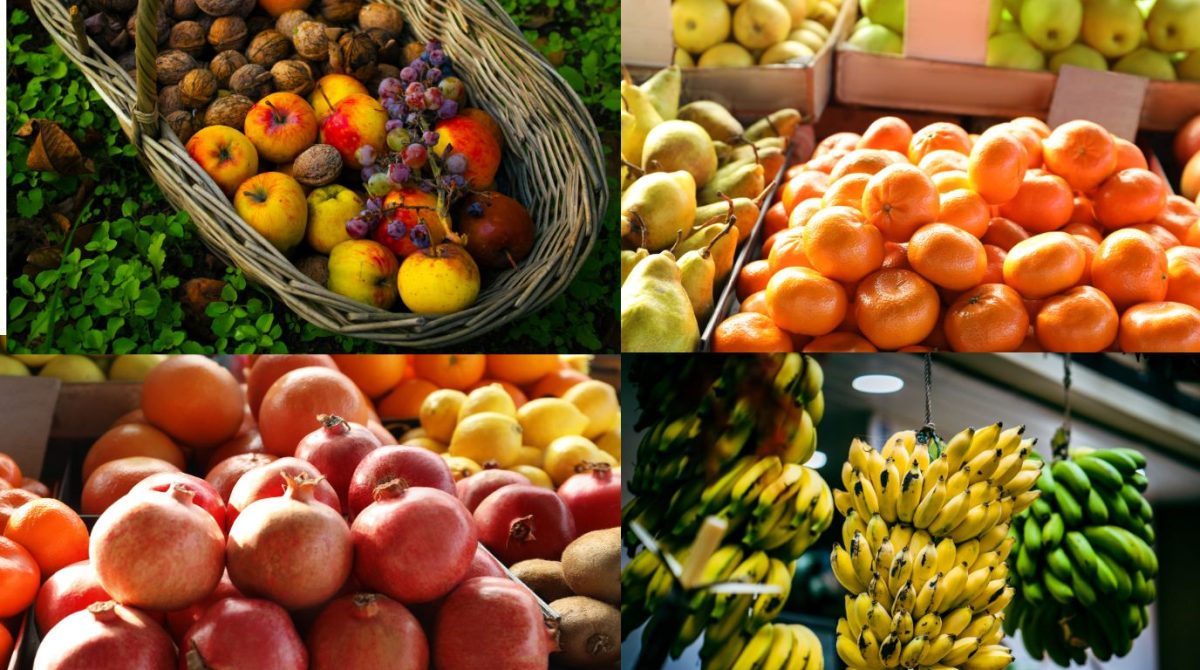
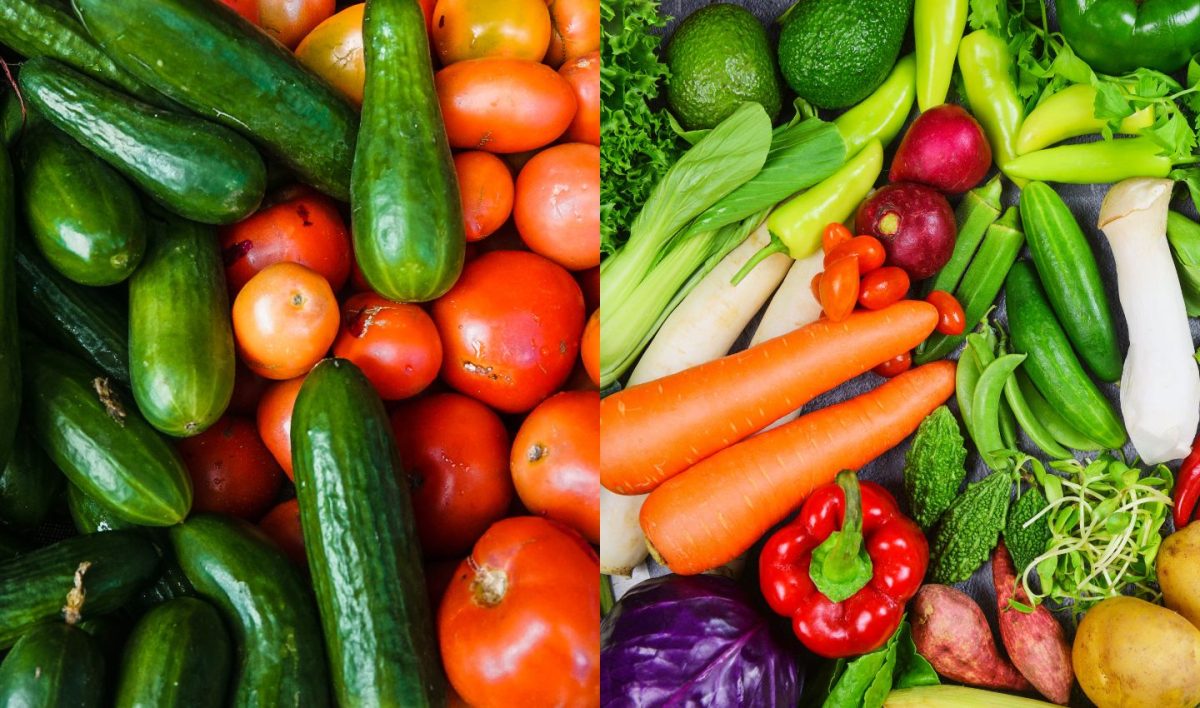
When stocking a commercial pantry, managing your inventory of Wholesale fruit and vegetables requires a delicate balance between perishability, storage capacity, and consumer demand. Unlike dry goods or canned items, fresh produce is a living, breathing commodity that continues to respire, ripen, and degrade after harvest.
To master this category, operators must understand the distinct classifications of produce, how they behave in storage, and how to minimize shrink.
Categorizing Produce: Climacteric vs. Non-Climacteric
One of the most valuable pieces of knowledge for any culinary professional is understanding how different items ripen:
- Climacteric Fruits and Vegetables: These produce items continue to ripen after they have been harvested. Examples include bananas, tomatoes, avocados, peaches, and melons. They produce ethylene gas naturally, which accelerates the ripening process.
- Non-Climacteric Produce: These items must ripen fully on the plant before being harvested, as they will not sweeten or soften further once picked. Examples include citrus fruits, berries, grapes, pineapples, and most leafy greens.
Managing Ethylene Gas Sensitivity
Storing fruits and vegetables together requires a strategic layout. Ethylene-producing fruits like apples, bananas, and tomatoes can cause premature aging, yellowing, and bitterness in ethylene-sensitive items such as leafy greens, broccoli, carrots, and cucumbers. A top-tier Fresh produce wholesaler will always advise their clients on proper storage segregation to maximize shelf life and maintain vibrant visual appeal.
Choosing the Right Fresh Produce Wholesaler
Your choice of supplier can make or break your business. A mediocre partner will leave you dealing with bruised inventory, missed delivery windows, and erratic invoicing. Conversely, an exceptional partner acts as an extension of your team, proactively suggesting seasonal switches, offering flexible credit terms, and ensuring absolute reliability.
1. Quality Assurance and Food Safety
Food safety is non-negotiable. Ensure that your supplier adheres to stringent regulatory standards, such as Good Agricultural Practices and Hazard Analysis Critical Control Point certifications, along with rigorous cold-chain maintenance protocols.
2. Sourcing Transparency and Traceability
Modern consumers want to know where their food comes from. Transparent sourcing ensures ethical labor practices, sustainable farming methods, and rapid accountability if quality issues arise.
3. Reliability and Distribution Fleet
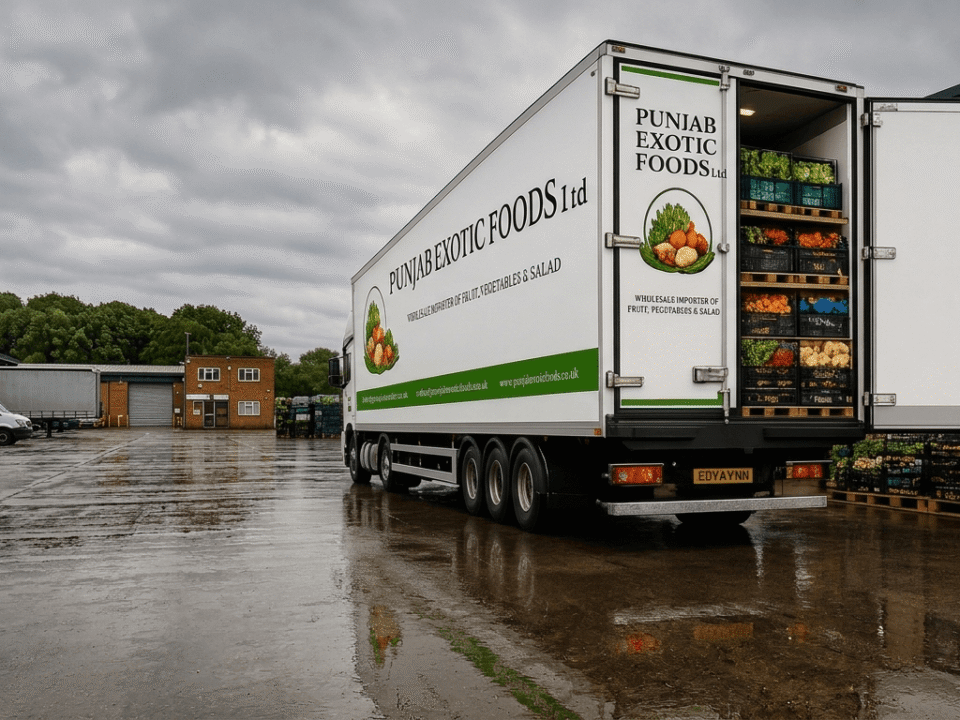
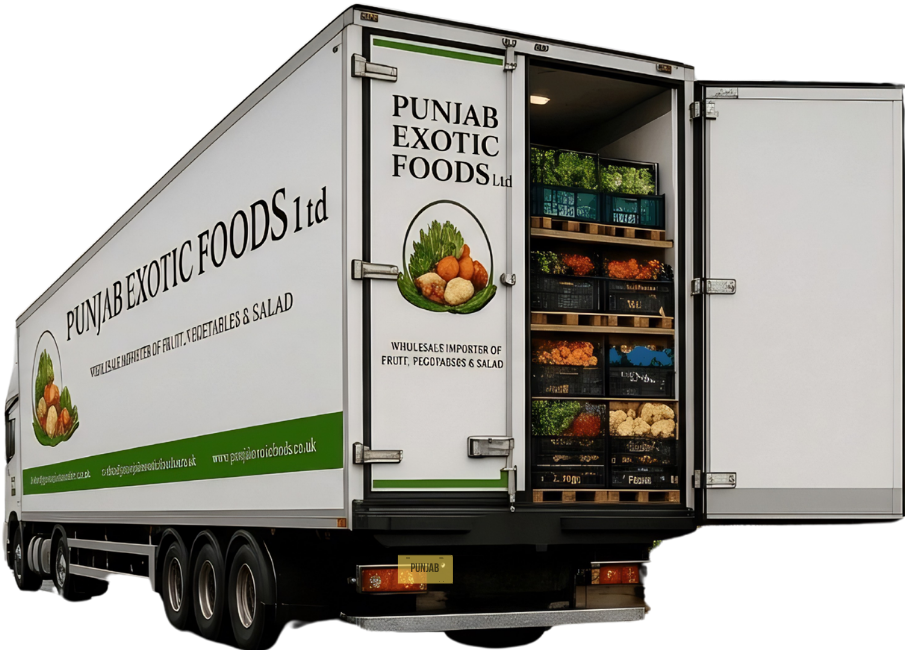
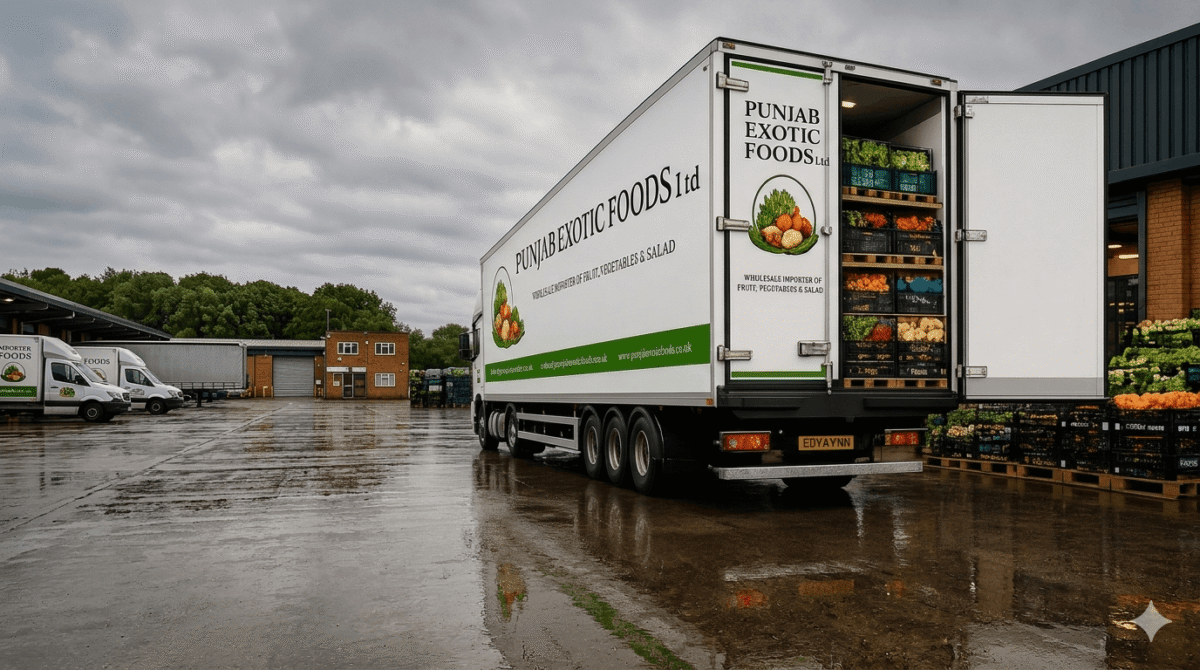
A beautiful piece of produce is worthless if it arrives two hours after the lunch rush has ended. Evaluate the wholesaler’s delivery infrastructure and learn more about our Nationwide fresh produce delivery services that ensure timely arrival across regions.
4. Customer Service and Account Management
In the fast-paced world of hospitality and retail, communication is everything. You need a dedicated account manager who understands your specific operational needs and can troubleshoot discrepancies instantly.
The punjabexoticfoods Advantage
When searching for a partner that embodies all these qualities and more, punjabexoticfoods stands out as an industry leader. We have built our reputation on an unwavering commitment to freshness, reliability, and unparalleled customer satisfaction.
Through our comprehensive Fresh fruit and vegetable distribution network, we bridge the gap between global agricultural excellence and local commercial needs. Whether you need everyday staples or rare culinary specialties, our catalog is meticulously curated to inspire culinary creativity.
Ready to Elevate Your Supply Chain?
Stop settling for bruised produce and unreliable deliveries. Partner with punjabexoticfoods today and experience farm-fresh excellence tailored to your business.
Seasonal Sourcing and Culinary Trends
Culinary landscapes are constantly shifting. Today’s consumers demand seasonality, authenticity, and health-conscious menu options. Adapting your inventory to reflect the changing seasons is one of the most effective ways to excite your clientele, control food costs, and support sustainable agriculture.
Spring: Renewal and Crisp Textures
As winter fades, menus transition from heavy root vegetables to bright, tender greens like asparagus, radishes, spring onions, and early strawberries.
Summer: Abundance and Vibrant Colours
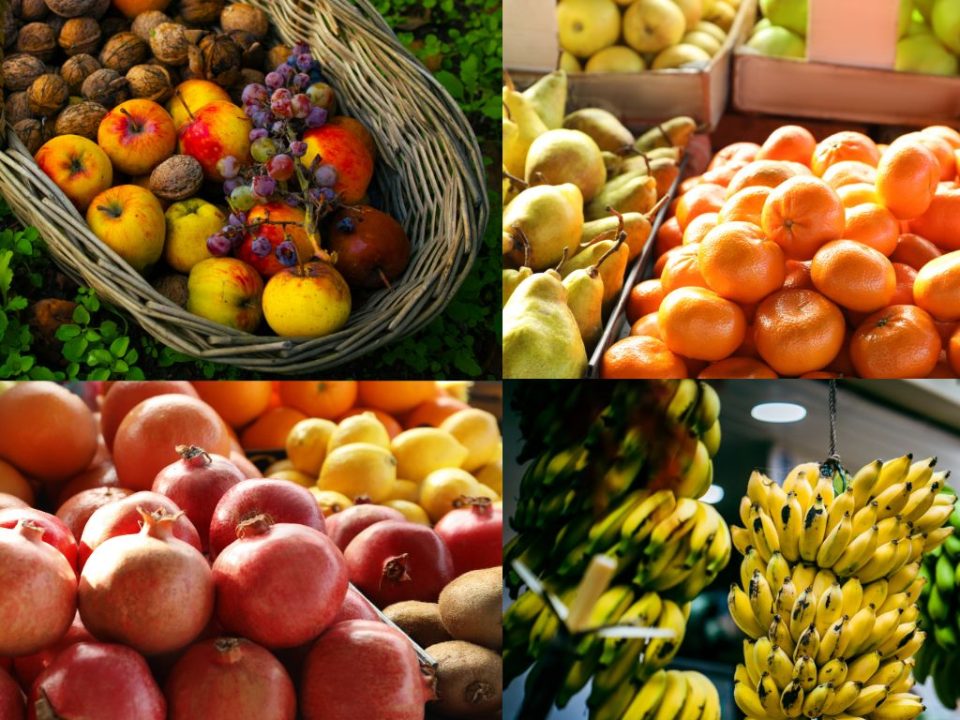
Summer is the golden season for fresh produce, featuring peak heirloom tomatoes, stone fruits, summer squash, and berries.
Autumn: Earthy Depth and Harvest Staples
As temperatures drop, dishes become heartier with hard squash, root vegetables, orchard-fresh apples, and seasonal brassicas.
Winter: Resilience and Comfort
Winter brings a steady supply of warming, nutrient-dense ingredients, including vibrant citrus fruits, winter greens, and versatile storage crops.
Minimising Waste and Maximising Profitability
In the food service and retail industries, profit margins are notoriously thin. Food waste is effectively money thrown into the dumpster. Implementing rigorous inventory management and waste reduction strategies is essential for long-term viability.
FIFO: First In, First Out
The golden rule of commercial kitchen management is FIFO. Ensuring older items are used or sold before newer shipments drastically cuts down on spoilage.
Proper Storage and Temperature Zoning
Not all produce belongs in the same environment. High-humidity zones suit leafy greens, while low-humidity dry zones suit onions, garlic, and potatoes.
Frequently Asked Questions
What is the difference between a local produce distributor and a large-scale wholesale fresh produce supplier?
Local distributors typically source from regional farms and specialize in hyper-local items with shorter transit times, whereas large-scale suppliers utilize vast international networks to offer year-round availability and bulk pricing.
How do I open a wholesale account for my restaurant or grocery store?
Opening an account is straightforward, usually requiring basic business credentials like a tax ID or resale certificate. You can reach out directly via our Instagram profile or official website.
What measures are taken to ensure the safety and hygiene of wholesale fresh produce?
Reputable wholesalers follow strict food safety management systems, including regular facility audits, temperature-logged cold chains, and strict compliance with global health regulations.
Can I get organic and specialty items through a wholesale supplier?
Yes, modern suppliers offer extensive catalogues covering both conventional and certified organic produce, alongside specialty items like microgreens and exotic tropical fruits.
What is the typical minimum order quantity for fresh produce wholesale?
Minimum order quantities vary depending on the supplier, ranging from dollar-value thresholds to pallet volume requirements. It is always best to discuss your specific needs with your account manager.
How can I protect my business from price volatility in fresh produce markets?
Price fluctuations are common due to seasonal shifts and weather events. Mitigate this risk by establishing fixed-price seasonal contracts, utilizing reliable Wholesale produce delivery UK schedules, and following expert guides on How to choose fresh produce supplier UK partners effectively.
Conclusion
Mastering the art and science of sourcing fresh produce is one of the most impactful investments you can make in your business. By understanding supply chain logistics, respecting the delicate nature of wholesale fruit and vegetables, and partnering with a dedicated industry leader, you can elevate your culinary offerings and protect your profit margins.
At punjabexoticfoods, we are passionate about providing the freshest ingredients, transparent service, and reliable logistics that empower your business to thrive. Contact us today to speak with an expert account manager and discover how seamless produce wholesale can revolutionize your operations.