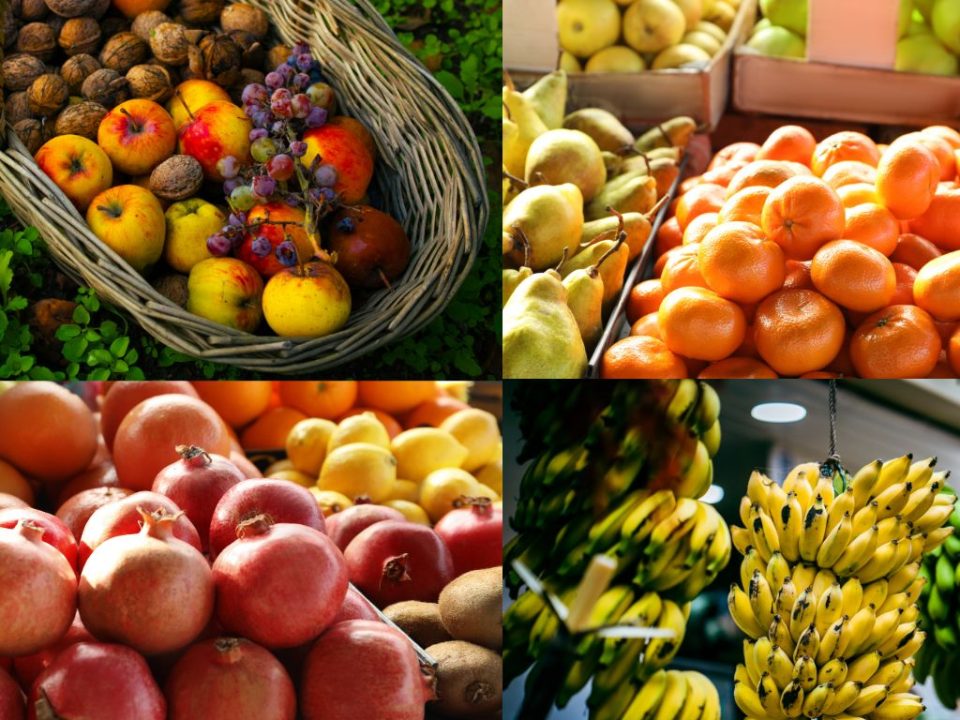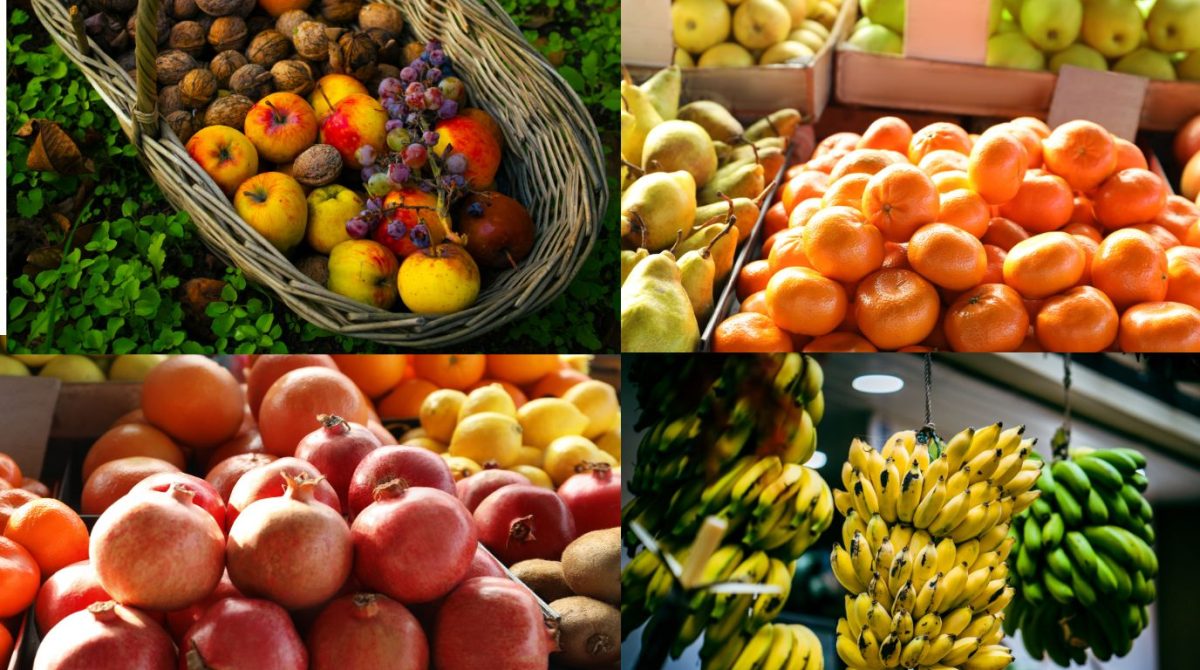

Seasonal Fruits UK: A Complete Buying Guide
Eating in harmony with the natural agricultural cycle is one of the most effective ways to enjoy fresh, nutrient-dense, and flavorful produce while supporting sustainable farming practices. In the United Kingdom, the agricultural calendar offers a remarkably diverse bounty of produce throughout the four distinct seasons. Understanding which fruits reach their peak ripeness at different times of the year empowers consumers, culinary professionals, and business owners to make informed purchasing choices through Punjab Exotic Foods.
When you buy produce in its natural season, you receive fruits that have matured fully on the plant, capturing maximum natural sugars, vital vitamins, and rich aromatic profiles. Seasonal produce also carries a lower carbon footprint because it minimises the need for energy-intensive heated greenhouses and excessive long-distance storage. To better understand our commitment to quality sourcing, you can learn more about our history and mission. This comprehensive buying guide explores everything you need to know about navigating the UK seasonal fruit market, from spring blossoms to winter harvests, along with key advice for home buyers and commercial operators alike.
The Importance of Choosing Seasonal Fruits in the UK
Understanding the benefits of seasonal purchasing goes far beyond enjoying delicious flavour. The decisions made by consumers and wholesale procurement managers directly impact environmental sustainability, regional agricultural economies, and individual nutritional health.
Superior Flavour Profile and Peak Culinary Quality
Fruit that is harvested during its peak season possesses an unmatched flavour intensity. When a plant ripens naturally in optimal weather conditions, it develops balanced sugar-to-acid ratios and complex volatile compounds. For example, a British strawberry picked in the height of June offers a sweet, rich profile that imported varieties grown out of season simply cannot emulate. Out-of-season produce is frequently picked prematurely to withstand long transportation times, which halts the natural development of essential sugars and delicate flavors.
Maximum Nutritional Density
Produce harvested at peak natural maturity contains higher concentrations of vital micro-nutrients, antioxidants, and dietary minerals. Studies indicate that fruits lose vital nutrient content, particularly vitamin C and sensitive phytonutrients, when stored for extended durations or subjected to prolonged transit times. Selecting fresh British seasonal fruits ensures that the time between harvest and consumption is kept to an absolute minimum, preserving maximal nutritional integrity for your daily diet or commercial kitchen menus.
Supporting Local Agriculture and Reducing Carbon Impact
Choosing locally grown produce significantly reduces food miles, which refers to the distance food travels from the farm gate to the end consumer. Lower transportation distances mean reduced fuel consumption, fewer greenhouse gas emissions, and less reliance on excessive plastic protective packaging. Furthermore, purchasing seasonal fruit directly strengthens the UK rural economy, supporting local farm workers, regional supply chains, and historic orchards.
Economic Value and Cost Efficiency
During peak harvest periods, local supply reaches its annual maximum. Basic economic principles dictate that increased supply leads to more competitive pricing across both consumer retail markets and seasonal fruit wholesale UK networks. Buying produce at its seasonal high point allows consumers and commercial buyers to secure top-tier quality at lower unit costs. Discover how our tailored distribution services can help streamline your seasonal procurement.
Spring Harvesting Guide: March to May
Spring represents a period of revitalisation across the British landscape. While early spring continues to rely on stored top fruit from autumn harvests, late spring brings the year’s first vibrant tender fruit crops.
March: The Late Winter Transition
March is often considered a transitional bridge between winter storage and fresh spring shoots. During this period, consumers can still enjoy excellent stored British apples such as Cox and Egremont Russet, alongside stored pears.
Rhubarb: The Early Spring Highlight
Forced rhubarb, famously cultivated in the historical Rhubarb Triangle of West Yorkshire, reaches its pinnacle during late winter and early spring. Grown in dark sheds and harvested by candlelight, forced rhubarb produces bright pink, tender stalks with a delicately sour flavor that shines in traditional crumbles, jams, and savory meat pairings. Outdoor, field-grown rhubarb follows shortly after in April, offering a deeper color and robust, tangy taste.
April: The Earth Awakens
As warmth returns to the soil, April brings the arrival of the first fresh green growth across farms and orchards nationwide.
Culinary Uses for Spring Rhubarb
Spring rhubarb provides an exceptionally versatile ingredient for domestic kitchens and commercial bakeries. Pairing rhubarb with sweet spices like ginger, star anise, or sweet citrus helps balance its natural acidity without requiring excessive refined sugar.
May: The Arrival of Early Soft Fruits
May marks the official start of the British soft fruit season. Under polytunnels and glasshouses, the very first crops of strawberries ripen, signaling the start of summer abundance.
Early British Strawberries
Early May strawberries benefit from cooler spring temperatures, allowing them to mature slowly and develop rich sweetness and firm texture. Looking for firm, vibrant red berries with fresh green calyxes guarantees optimal fresh consumption.
If you are seeking top-tier produce sourced directly from trusted growers, punjabexoticfoods offers premium solutions tailored for home kitchens and commercial enterprises across the country. See why leading kitchens choose us as their primary produce partner.
Summer Abundance: June to August
Summer is undeniably the golden age for British fruit production. Sun-drenched days and mild nights create the perfect conditions for berries, stone fruits, and early orchard crops.
June: Peak Soft Fruit Season
June brings an explosion of vibrant colors and sweet aromas across British farms.
British Strawberries and Raspberries
June is synonymous with the quintessential British strawberry. Varieties like Elsanta and Malling Centenary reach peak volume during this month. Concurrently, early raspberry varieties begin to yield sweet, velvety berries that require delicate handling and prompt consumption.
Gooseberries: The Neglected Gem
Gooseberries represent a traditional favorite experiencing a major modern culinary revival. Green culinary gooseberries picked early in June provide sharp acidity ideal for fools, tarts, and savory seafood sauces, while dessert varieties that ripen later in the month can be enjoyed fresh directly from the bush.
July: The Height of Berry Harvesting
July sees the berry season expand into incredible diversity, offering exceptional options for fresh consumption and processing.
Blackcurrants, Redcurrants, and Whitecurrants
Currants thrive in temperate British summer climates. Blackcurrants are renowned for their exceptionally high vitamin C content and deep, astringent flavor profile, making them perfect for cordials, preserves, and rich dessert reductions. Redcurrants and whitecurrants add bright visual appeal and crisp acidity to summer dishes.
Cherries
British cherries, particularly sweet dark varieties like Penny and Sweetheart, enjoy a short but extraordinarily rewarding season starting in July. Grown in specialized orchards, notably across Kent and Herefordshire, fresh British cherries are prized for their firm flesh and rich, sweet juice.
August: Early Orchard Fruits and Stone Fruits
August introduces the first tree fruits alongside late-summer berries, creating a rich bridge into the upcoming autumn harvest.
Plums and Damsons
Early plum varieties such as Opal and Victoria begin ripening in August. Victoria plums are widely celebrated for their dual-purpose nature, yielding exquisite sweet flavor when fully ripe while maintaining sufficient structure for cooking when harvested slightly firm. Damsons offer a tart, complex flavor profile essential for artisanal preserves and liqueurs.
Early Apples and Blackberries
Late August yields early apple varieties such as Discovery, which features crisp, juicy flesh with a subtle berry-like undertone. Wild and cultivated blackberries also reach their prime, filling hedgerows and market stalls across the land. Businesses looking to stock large quantities can explore our comprehensive range of wholesale fruit supplies.
Autumn Bounty: September to November
Autumn brings the grand finale of the British fruit calendar, dominated by world-class tree fruits, nuts, and late-harvest berries.
September: The Great Orchard Harvest
September represents the peak operational window for UK orchards, yielding huge volumes of exceptional top fruit. For deeper insights into market purchasing strategies, read our wholesale fruits UK complete guide.
English Apples: Cox, Gala, and Braeburn
The UK climate produces some of the finest apples in the world, striking an ideal balance between warm summer sun and crisp autumn nights. The legendary Cox’s Orange Pippin offers complex notes of honey and nuts, while British-grown Royal Gala and Braeburn provide superb crispness and lasting storage potential.
Conference and Doyenné du Comice Pears
September sees the start of the pear harvest. The long, narrow Conference pear remains the most widely grown British variety, prized for its sweet, smooth flesh and excellent versatility in both raw and cooked applications. The larger Doyenné du Comice pear offers melt-in-the-mouth juiciness and rich aromatic sweetness.
October: Late Crops and Traditional Harvests
As temperatures cool, October focuses on gathering late-ripening varieties designed for extended winter cellaring.
Quince and Medlars
Quince and medlars represent ancient orchard fruits enjoying a well-deserved resurgence in contemporary gastronomy. Quince possesses a tough exterior and sour raw flesh, but when slow-cooked with sugar, it transforms into a fragrant, ruby-red delicacy ideal for pairing with fine cheeses.
November: The Transition to Winter Storage
By November, fresh harvesting on British trees comes to a close. The focus shifts toward carefully climate-controlled stored top fruits, which maintain their crispness and flavor through advanced atmospheric monitoring techniques. Commercial kitchens looking for reliable logistics during this transition period can rely on our nationwide fresh produce supplier UK network.
Winter Choices: December to February
While local field harvesting slows significantly during winter, smart buyers can still source exceptional produce through proper storage crops, greenhouse cultivation, and citrus imports from warmer European regions. Efficient logistics are essential during these months, making our nationwide fresh produce delivery service invaluable for maintaining inventory.
December: Festive Flavors and Stored Top Fruits
December relies heavily on stored British apples and pears, alongside traditional festive produce.
Maximizing Stored Apples and Pears
Late-harvest apple varieties stored under low-oxygen, chilled conditions retain their nutritional value, structural crunch, and sweet flavor well into the winter months. Incorporating stored apples into rich winter salads, braises, and baked desserts provides essential seasonal freshness.
January and February: Navigating the Winter Gap
The early months of the year require strategic purchasing choices to maintain high menu variety and nutritional diversity.
Forced Rhubarb Returns
January marks the welcome return of indoor forced rhubarb from the Yorkshire region, bringing bright color and tangy freshness back to markets during the coldest months of the year.
Exotic and Imported Complements
To complement British winter storage crops, sourcing high-quality imported fruits like sun-ripened Mediterranean citrus, tropical mangoes, and pomegranates helps bridge the gap until spring returns. Businesses requiring reliable supply chains often partner with specialized fresh fruit distributors UK to maintain smooth access to high-grade produce year-round through efficient fresh fruit and vegetable distribution.
Navigating Sourcing Options: Retail vs. Wholesale
Whether buying for a family household, a busy restaurant, or a commercial catering facility, identifying the right procurement strategy is key to managing cost, quality, and freshness. For bulk orders, partnering with a wholesale produce delivery UK provider ensures timely supply directly to your doorstep.
Sourcing for Home Consumers
Domestic shoppers have a variety of routes for acquiring top-tier seasonal produce:
- Local Farmers Markets: Direct-from-farm purchasing guarantees exceptional freshness, allows direct communication with growers, and keeps money within local agricultural communities.
- Farm Shops and Pick-Your-Own (PYO): PYO farms offer a fantastic hands-on experience during summer, allowing families to harvest ripe berries and stone fruits at their absolute peak.
- Supermarket Buying: When shopping at major supermarkets, pay close attention to origin labeling. Look for the Red Tractor logo or explicit country-of-origin tags denoting British farm origins.
- Seasonal Fruit Delivery UK Services: Subscribing to a reliable doorstep seasonal fruit delivery UK service ensures a steady supply of fresh, hand-picked produce delivered directly to your home without middleman delays.
Sourcing for Commercial Operators and Hospitality
Commercial kitchens, schools, hospitals, and food manufacturers face different procurement demands, requiring large volumes, consistent grading, and reliable delivery schedules. Many businesses balance their orders by working with a wholesale vegetables UK distributor alongside their fruit orders.
Working with Fresh Fruit Distributors UK
Hospitality businesses require supply partners who understand seasonal shifts and can guarantee reliable delivery schedules. Leading fresh fruit distributors UK serve as vital links between regional growers and commercial kitchens, managing quality control, temperature-regulated transport, and flexible order volumes. If you are evaluating potential partners, review our guide on how to choose a fresh produce supplier in the UK.
Leveraging Seasonal Fruit Wholesale UK Channels
Procuring produce through established seasonal fruit wholesale UK networks allows commercial businesses to access wholesale pricing, bulk packaging options, and wide product variety. Buying wholesale during peak harvest windows enables restaurants and catering businesses to increase profit margins while presenting high-impact seasonal menus to their guests. Learn more about why your business needs a fresh fruit wholesaler to maximize efficiency.
For reliable supply chains and an outstanding selection of fresh produce, punjabexoticfoods provides tailored commercial and retail distribution solutions designed to meet rigorous culinary standards. In addition to fruits, consider choosing the right fresh herbs supplier in the UK to elevate your culinary offerings.
How to Assess Quality and Freshness When Buying
Selecting produce requires a keen eye and an understanding of key freshness indicators across different fruit categories. When working with a bulk fruits supplier, maintaining rigorous inspection standards guarantees optimal quality upon delivery.
Key Indicators for Soft Fruits and Berries
- Color Uniformity: Look for bright, vibrant colors extending right to the stem. Avoid strawberries with white or green tops, as berries do not continue to ripen or develop sugar after being picked.
- Container Condition: Check the bottom of punnets for crushed fruit, moisture buildup, or juice leakage, which indicates over-ripeness or improper storage.
- Surface Texture: Berries should appear plump, firm, and dry. Avoid dull, shriveled skin or any signs of surface mold.
Key Indicators for Top Fruit (Apples and Pears)
- Skin Integrity: Choose apples and pears with smooth, unblemished skin free from deep bruising, soft spots, or cracks.
- Firmness: Apples should feel consistently firm when gently squeezed. Pears, however, yield slightly near the stem end when ready to eat.
- Aroma: Mature top fruit produces a sweet, clean aroma at room temperature. A total lack of fragrance often indicates premature harvesting.
Key Indicators for Stone Fruits
- Fragrance: Plums, cherries, and damsons should emit a sweet, rich fragrance at room temperature.
- Slight Yield: Stone fruit should yield slightly to gentle thumb pressure near the stem, signaling juicy flesh and fully developed natural sugars.
Storage and Handling Best Practices
Proper storage maximizes the shelf life and flavor of your seasonal fruit investment, reducing food waste in both home and commercial environments. This is especially crucial for any dedicated restaurant produce supplier striving to deliver kitchen-ready ingredients.
Temperature Management
- Berries and Soft Fruits: Store immediately in the refrigerator at temperatures between 2°C and 4°C. Keep berries unwashed in their original ventilated containers until right before consumption, as excess moisture accelerates mold growth.
- Apples and Pears: Apples stay crisp much longer when stored in a cool, dark environment or the refrigerator crisper drawer. Pears can be kept at room temperature to soften, then moved to cold storage once ripe to hold their texture.
- Stone Fruits: Allow firm stone fruits to ripen at room temperature away from direct sunlight. Once they yield gently to pressure, transfer them to cold storage if not consuming immediately.
Proper Washing Procedures
Always wash fruit thoroughly under cold running water immediately prior to preparation or eating. Avoid soaking delicate berries in standing water, as they absorb moisture quickly, which dilutes their natural flavor and degrades their delicate texture. To see an example of how we structure our seasonal catalog offerings, check out our product preview guide.
Frequently Asked Questions
What are the main benefits of buying seasonal fruits UK?
Buying seasonal fruits UK ensures you enjoy produce at its absolute peak flavor, aroma, and nutritional value. Seasonal fruits are harvested when fully mature, offering higher concentrations of vitamins and antioxidants compared to out-of-season produce transported across long distances. Additionally, purchasing seasonal fruit supports local British farmers, reduces transportation emissions, and generally delivers better value for money due to high supply during peak harvest windows.
How can I tell if fruit sold in stores is genuinely grown in the UK?
To ensure produce is British-grown, check the country-of-origin information displayed clearly on the packaging or display signage. Look for official certification marks such as the Union Jack flag or the Red Tractor logo. Shopping at local farm stands, independent greengrocers, or subscribing to specialized regional delivery services like punjabexoticfoods also ensures full transparency and traceable sourcing.
Which British fruits have the longest natural shelf life?
Top fruits, specifically apples and pears, possess the longest natural shelf life among British crops. Hardier apple varieties such as Cox, Egremont Russet, and Braeburn, along with Conference pears, store exceptionally well for months under proper cool, dark, and humidity-controlled conditions. By contrast, soft berries and stone fruits have short shelf lives and should ideally be consumed within a few days of purchase.
Can commercial businesses order seasonal produce through a seasonal fruit wholesale UK provider?
Yes, commercial enterprises including restaurants, hotels, schools, catering services, and food manufacturers routinely source bulk produce through dedicated seasonal fruit wholesale UK suppliers. Buying wholesale grants access to competitive volume pricing, flexible commercial delivery schedules, and high-grade produce tailored to demanding commercial kitchen environments.
How does a seasonal fruit delivery UK service work for households?
A seasonal fruit delivery UK service delivers farm-fresh, seasonal produce directly to residential doorsteps on a regular schedule. Customers can choose custom or pre-selected fruit boxes containing the freshest items available during that specific week or month. This offers convenience, reduces trip frequencies to the store, and introduces households to a wider variety of local, peak-season produce throughout the changing year.
Why do prices for fresh produce fluctuate throughout the year?
Fresh fruit pricing is heavily governed by supply and demand dynamics alongside seasonal harvest windows. During the height of a fruit’s natural UK harvest, local supply is abundant, which drives prices down for consumers and commercial buyers. Conversely, during off-season periods, produce must either be grown in heated glasshouses or imported from overseas, incurring higher energy, storage, and transportation costs that increase the final retail price.
What should commercial kitchens do to maintain a steady supply of seasonal fruits UK year-round?
Commercial kitchens should build flexible, adaptable menus that rotate alongside the seasonal calendar. During spring and summer, menus should highlight fresh local berries, stone fruits, and early top fruits. During late autumn and winter, chefs can transition toward stored apples, pears, forced rhubarb, and carefully selected imported items. Partnering with experienced fresh fruit distributors UK ensures kitchen teams receive timely updates on crop availability, upcoming harvest peaks, and shifting market prices.
Maximizing Value with Seasonal Sourcing
Embracing the natural rhythm of the UK fruit calendar is one of the most effective steps you can take toward healthier eating, richer culinary experiences, and sustainable purchasing habits. By choosing fresh British seasonal fruits at their annual peak, you support local growers, reduce your environmental footprint, and enjoy superior flavor across every meal.
Whether you are seeking reliable seasonal fruit delivery UK solutions for your family or exploring options with an established seasonal fruit wholesale UK partner for your business, prioritizing seasonal freshness delivers unmatchable quality every day of the year. Explore the outstanding range of fresh, high-grade produce at punjabexoticfoods today to elevate your seasonal kitchen sourcing. You can readily contact us directly or reach out on WhatsApp. Don’t forget to follow our latest updates and seasonal arrivals on Instagram.